
男女共同参画学協会連絡会
支援企業による広告記事
- ソーラボジャパン株式会社
- CAD を使って光学装置を設計してみよう
- 「生物物理」2025年10月号
- ソーラボジャパン株式会社
- 次世代2光子顕微鏡―小型化がもたらす新たな可能性
- 「生物物理」2024年10月号
- ソーラボジャパン株式会社
- サイエンティフィックカメラと周辺機器の同期
- 「生物物理」2023年10月号
- ソーラボジャパン株式会社
- 顕微鏡のリノベーション ~ 顕微鏡ポートを活用した光学系の導入
- 「生物物理」2022年12月号
「Biophysics and Physicobiology」に Yuki Okamura, Keita Sudo, Fusako Koshikawa, Etsuro Ito による "Sweet taste stimulation reduced pain ratings associated with increased blood flow in the right dorsolateral prefrontal cortex: A pilot study using NIRS" をJ-STAGEの早期公開版として掲載
2026年08月21日 学会誌
日本生物物理学会欧文誌[Biophysics and Physicobiology]に以下の論文が早期公開されました。
Yuki Okamura, Keita Sudo, Fusako Koshikawa, Etsuro Ito
"Sweet taste stimulation reduced pain ratings associated with increased blood flow in the right dorsolateral prefrontal cortex: A pilot study using NIRS"
URL:https://doi.org/10.2142/biophysico.bppb-v23.0028
- Abstract
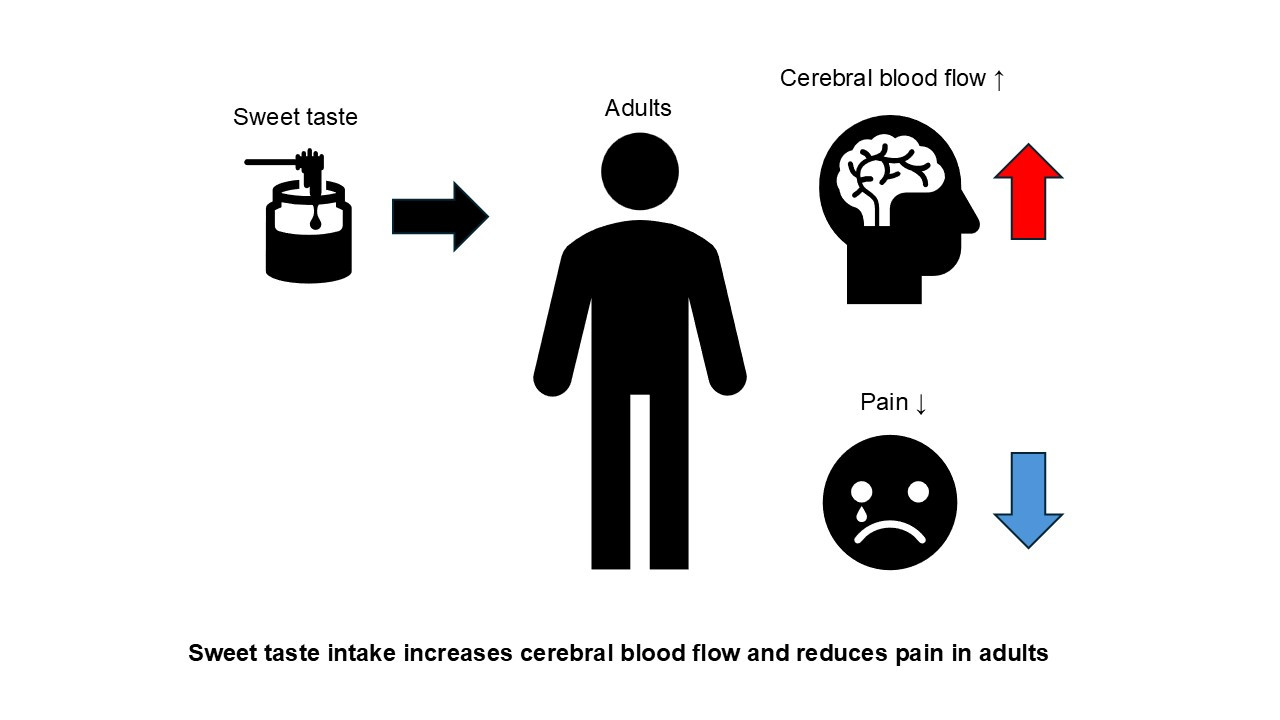
- Oral administration of sweet stimuli to newborns is effective at alleviating pain during injections. In adults, administration of sweet stimuli prolongs the latency in perceiving experimentally induced pressure stimuli as painful. However, experimental results for adults are mixed, with some negative reports suggesting that adults do not experience analgesic effects from sweet stimuli. On the other hand, we have investigated the effects of olfactory stimulation on analgesia using near-infrared spectroscopy (NIRS), which measures changes in cerebral blood flow after olfactory stimulation. The olfactory stimulation reduced pain ratings, and a significant difference in blood flow increase in the right dorsolateral prefrontal cortex (rDLPFC) was observed when pain stimulation alone was compared with pain stimulation combined with olfactory stimulation. Furthermore, previous studies have shown that sweet stimuli increase cerebral blood flow in pain-free adults. Therefore, based on the hypothesis that sweet stimuli are involved in pain relief, the present study used NIRS to examine whether sweet stimuli affect cerebral blood flow changes targeting the rDLPFC. Pain stimulation was delivered via transcutaneous electrical stimulation. The results demonstrated that sweet taste stimulation is associated with pain relief by activating the rDLPFC, even though the score of visual analog scale used as the pain rating scale to measure the intensity of pain decreased following water stimulation. Our present study uses NIRS to measure changes in cerebral blood flow—thereby representing the intensity of pain through physiologically relevant changes—and demonstrates the effectiveness of sweet stimuli for pain relief in adults.
URL: https://doi.org/10.2142/biophysico.bppb-v23.0028